


A restaurant POS system can become the operational hub of a modern restaurant. From capturing orders to completing payments and reviewing sales, the right POS can connect several everyday tasks in one workflow.
The point-of-sale system sits at the centre of many restaurant transactions. It records orders, calculates bills, processes payments and provides sales information. If the POS is slow or difficult to use, the impact can be felt across the customer journey.
A modern restaurant POS should therefore do more than print a receipt. It should help staff manage different order types while giving owners useful information about the business.
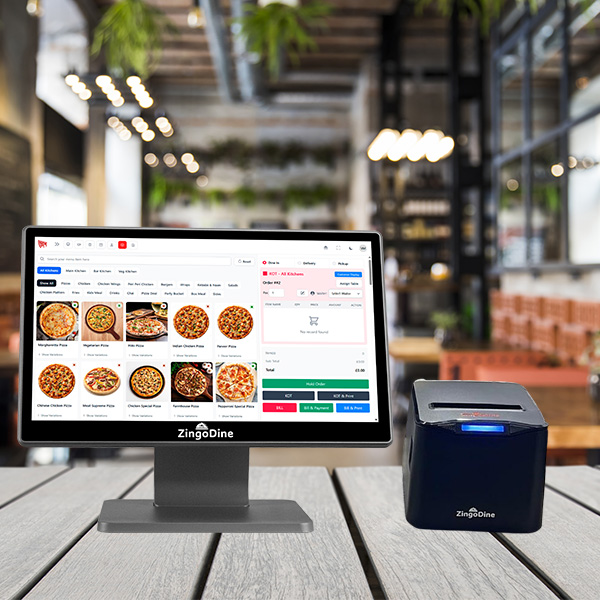
A structured POS interface can make it easier for staff to select menu items, apply modifiers, manage quantities and send the right information to the kitchen. At billing time, staff can review the order, apply eligible discounts or offers and complete payment through supported methods.
Reducing unnecessary manual steps can help teams maintain a smoother service flow during busy periods.
Restaurants often serve customers through several channels. A POS system should make it clear whether an order is for a table, takeaway collection or delivery. ZingoDine supports these restaurant workflows through a connected platform, helping teams manage different order types without relying on separate manual processes.
Sales reports can show which products are selling, when demand is highest and how the business is performing across selected periods. When reporting is connected to the POS, restaurant owners can review operational information without rebuilding data manually.
This visibility can support practical decisions around menus, staffing, promotions and purchasing.
A restaurant POS system is more than a cash register. It can become an operational hub that connects orders, billing, payments and reporting. ZingoDine provides POS and restaurant management capabilities within one platform, helping restaurants build a more organised daily workflow.